Recognizing Acid Reflux in Children: The Dental Perspective
As dental providers, we usually begin seeing children around their first birthday, long after our pediatric colleagues have helped families navigate the infant reflux stage. By age one, the classic spitting up or “colicky” symptoms have typically improved as children’s GI systems mature.
As kids grow and all primary teeth erupt and begin functioning during chewing, we may start noticing patterns of wear on the teeth. Flat, leveled surfaces are more often associated with bruxism (clenching and grinding). Mild wear is generally expected, but significant flattening or concerns such as disrupted sleep should prompt further evaluation, including consideration of sleep apnea.
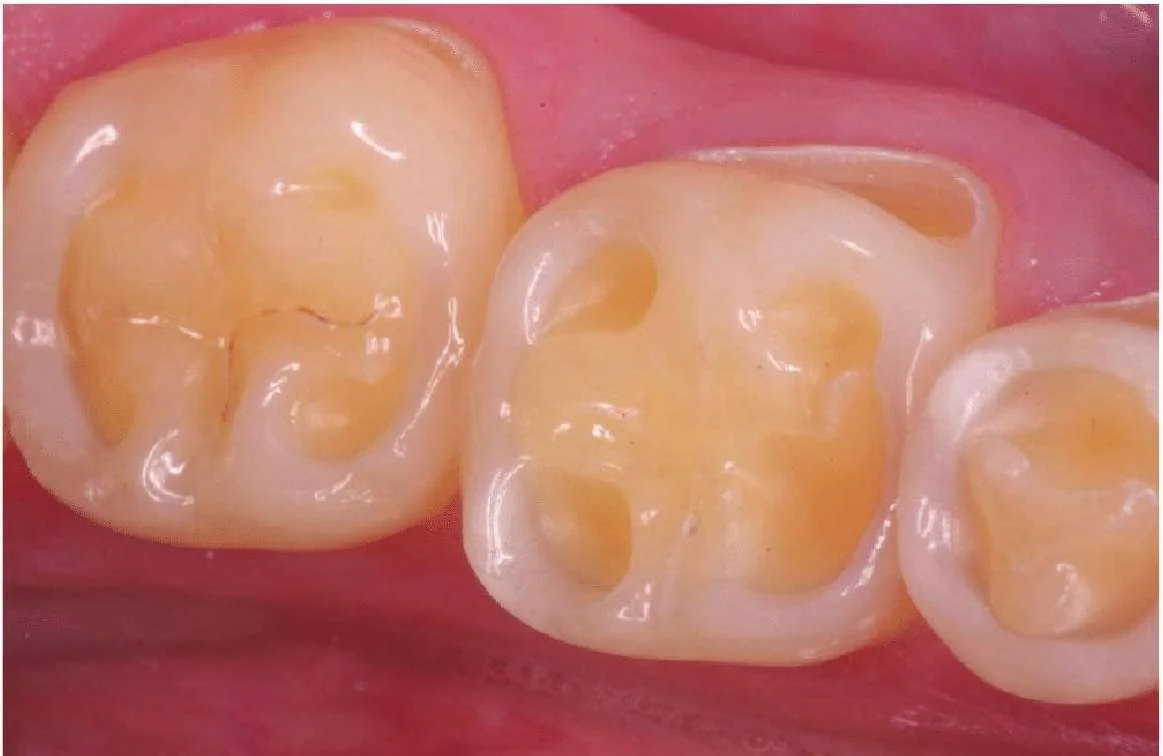
Acid wear presents differently. Instead of flat surfaces, we see cupping or “holes” on the cusps of back teeth (canines and molars), shiny smoothness
on the backs of front teeth (incisors), or even yellowish discoloration where enamel has thinned. When erosion appears on multiple surfaces, it
signals the need for deep conversations with families and collaboration with pediatricians.
First, we begin with factors we can modify, such as consumption of acidic beverages or highcarbohydrate diets. From there, we expand our screening with targeted questions about sleep quality, growth patterns, hoarseness or chronic throat clearing, morning cough, dietary triggers or avoidances, eating aversions or swallowing difficulty, recurrent stomachaches or vomiting, and persistent bad breath once dental causes are ruled out.
Many children who have lived with reflux since infancy may not recognize sensations like “heartburn” as abnormal. They adapt and rarely report discomfort. Dentally, chronic acid exposure leads to enamel loss, sensitivity, and increased risk for cavities. Medically, untreated reflux or GERD can damage the esophageal and gastric lining over time and should not be overlooked.
When multiple findings suggest ongoing reflux, we encourage families to follow up with their pediatrician or a gastroenterologist for diagnostic evaluation. We are deeply grateful for the collaborative partnership with pediatric colleagues. Together, we can identify reflux earlier, guide families toward appropriate evaluation and treatment, and protect both the oral and overall health of our shared patients.
Dr. Theriot and our Smiles For Kids Team